Fujifilm X100VI Review: A Great Sidekick for Professional Photographers
I’m a commercial photographer based in Albuquerque, New Mexico, and in August 2024, I bought a used Fujifilm X100VI to carry as an everyday camera to complement the bigger, heavier (and incredible) Canon equipment that I use for work. I have a long history with Fujifilm: the X-T2 was my first workhorse pro camera, and I used the X-H series for my professional work in the early days, with a few fast primes. (I suppose I’m not your typical Fuji APSC user, as I shoot only in Raw with the standard color profile; the recipe thing never caught on with me.) I loved those cameras and my portfolio still has quite a few images from those systems.
But I sort of hit the wall with Fuji and swore off the company in 2024 after a few bad experiences. The X-T2’s battery life was abysmal and the camera was feeling slow and old, and the X-H2S, despite being a solid professional tool, had really unpredictable autofocus issues and was prone to freezing randomly, sometimes several times during the same shoot. It was also quite big for an APSC camera: the body plus the 33mm f1.4 lens was only slightly smaller than a Canon R5 with a VCM prime. So I started to ask myself why I was sticking with this brand for my paid work when full frame options with much better low light and autofocus performance were about the same price and size. I eventually sold all my Fuji gear and jumped to Canon, and I’ve never looked back. The quality, both in terms of the images and the build itself, is simply in another league. (I must admit, however, that I haven’t tried the GFX line and those cameras look amazing.)
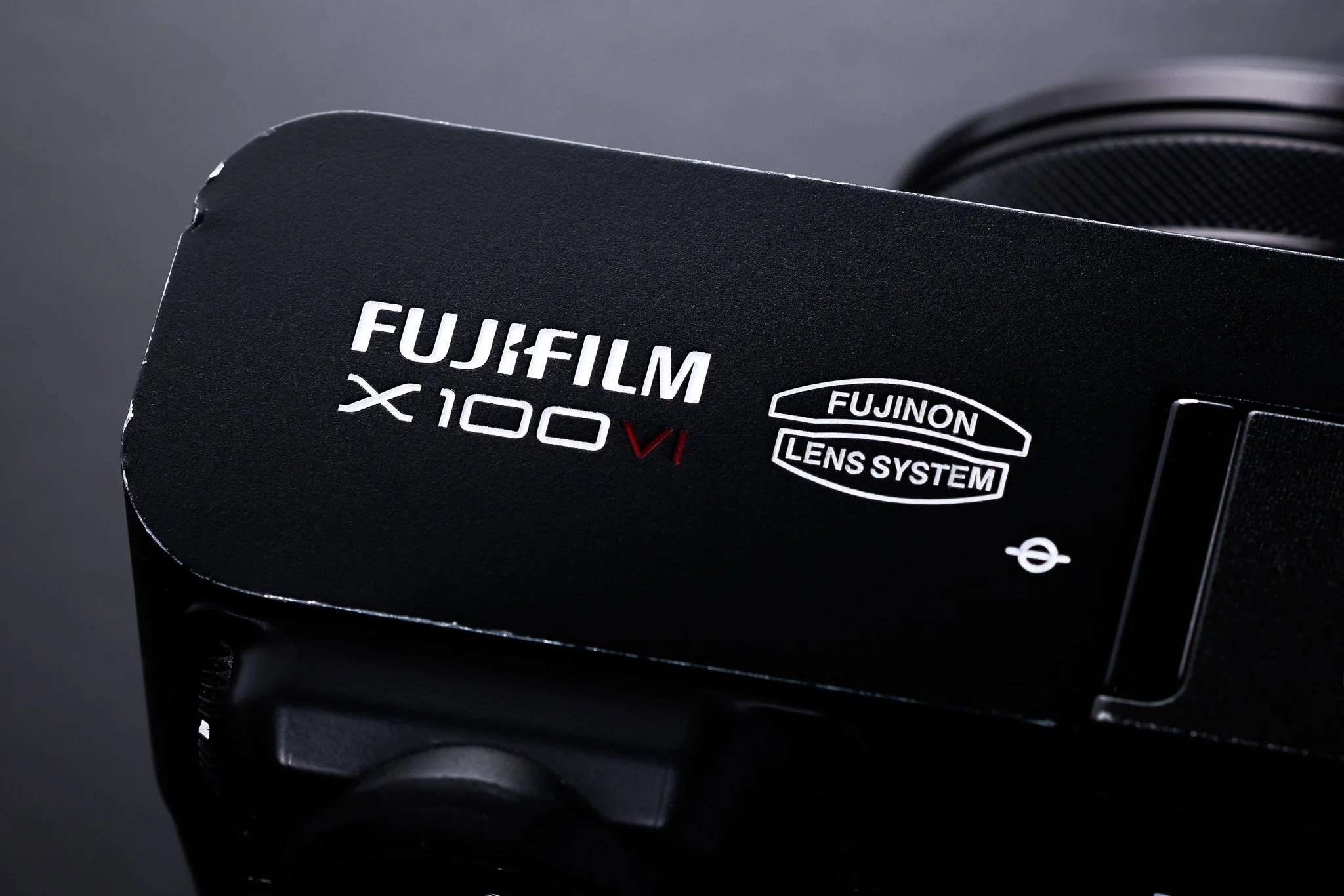
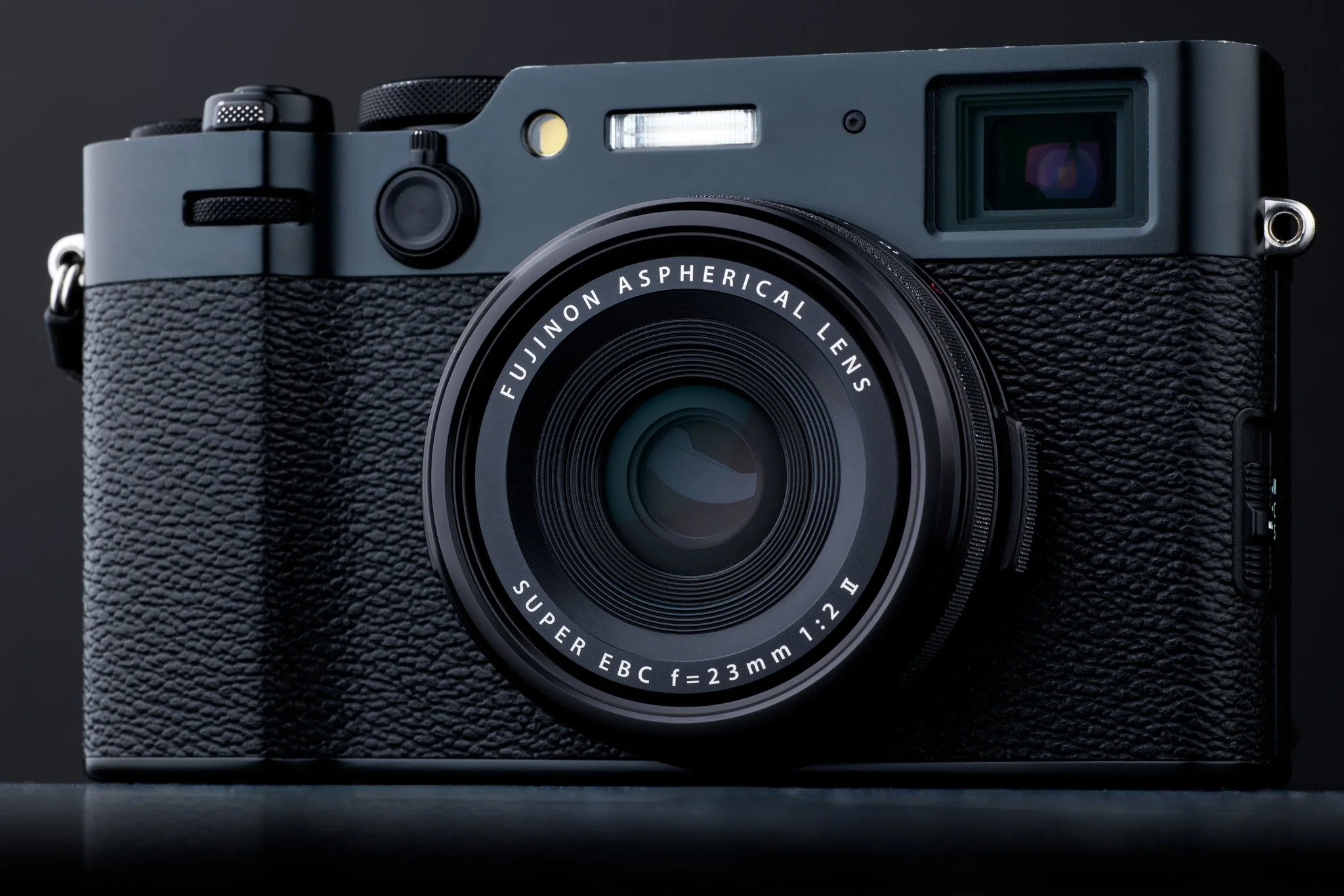
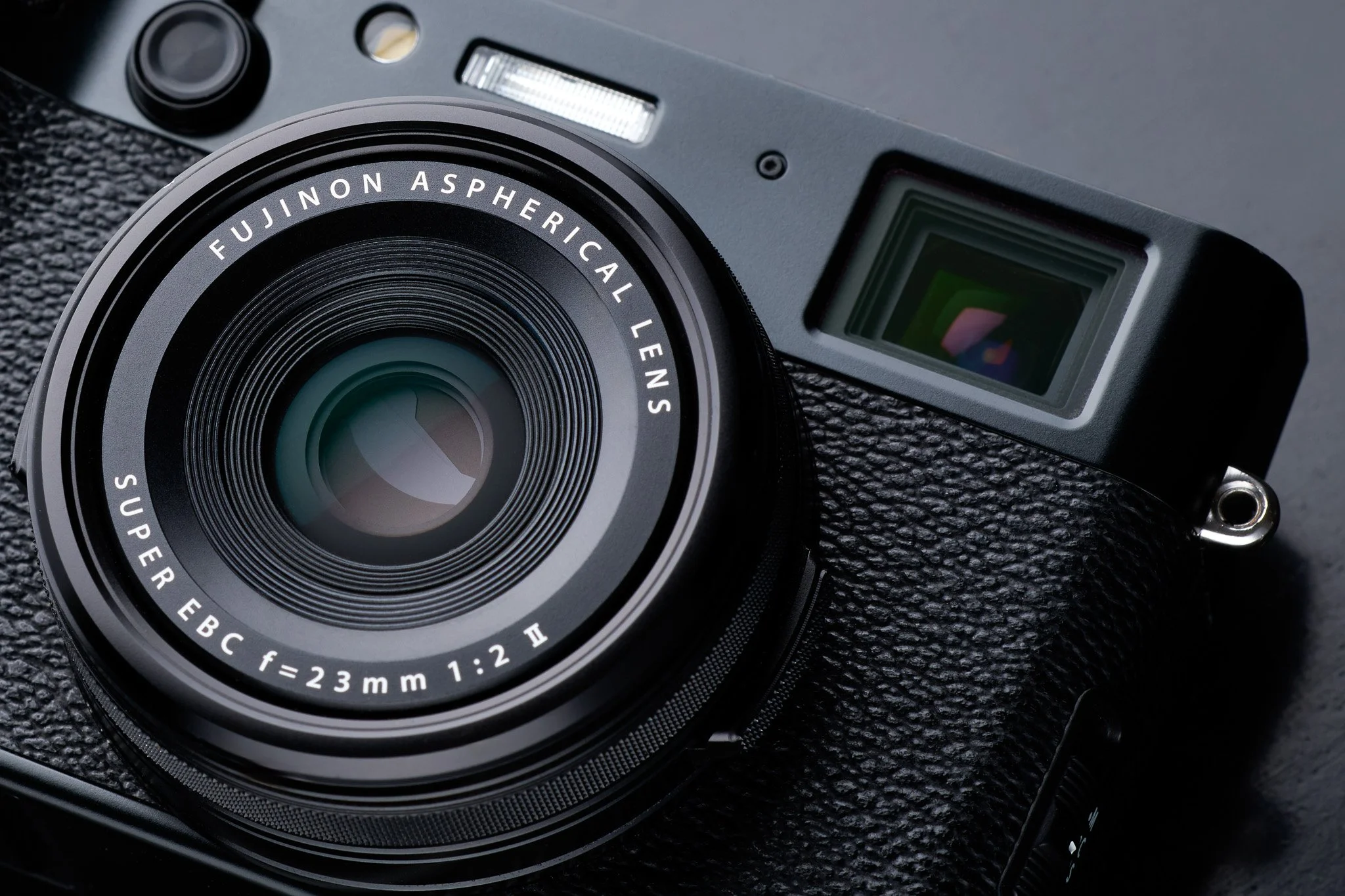
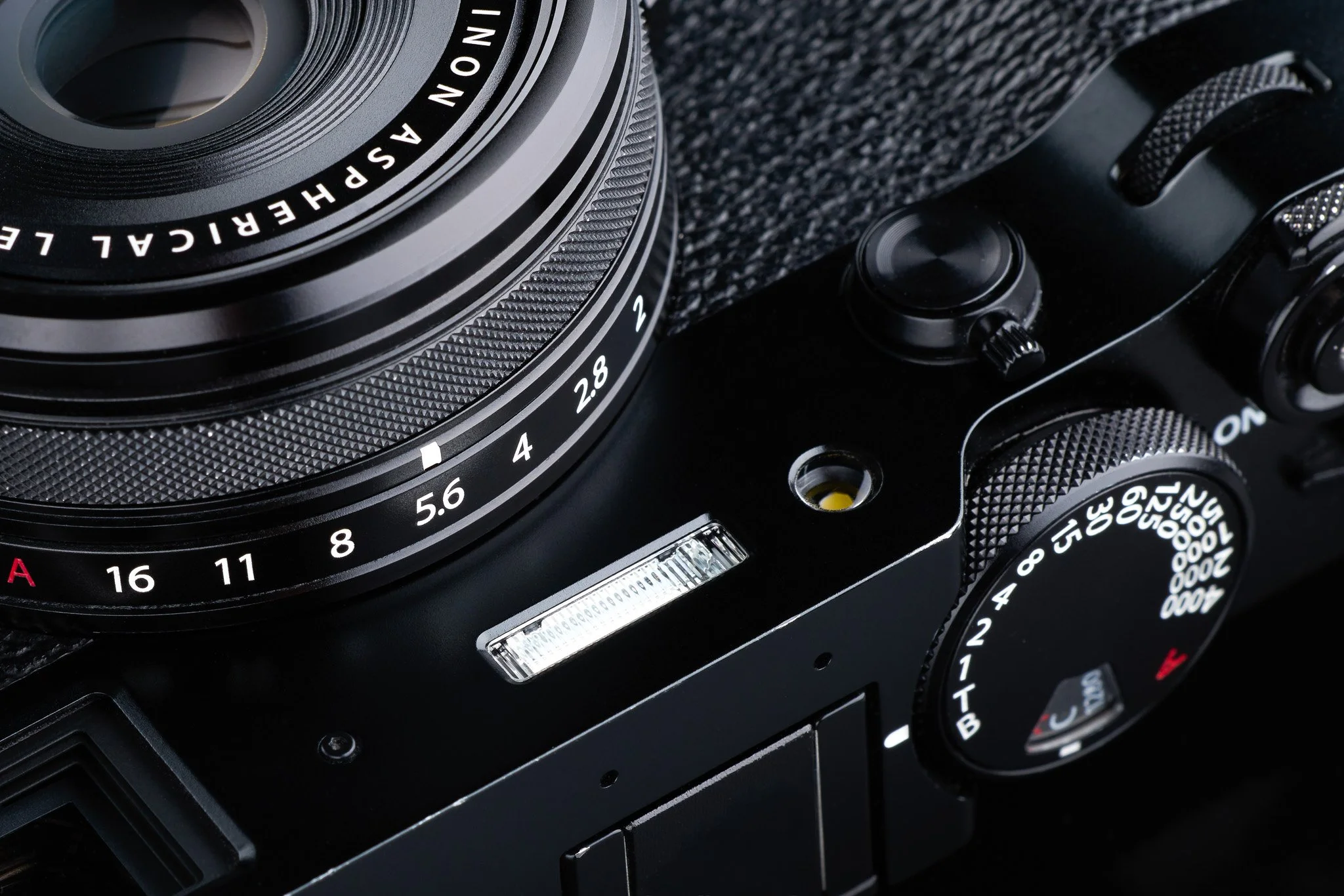
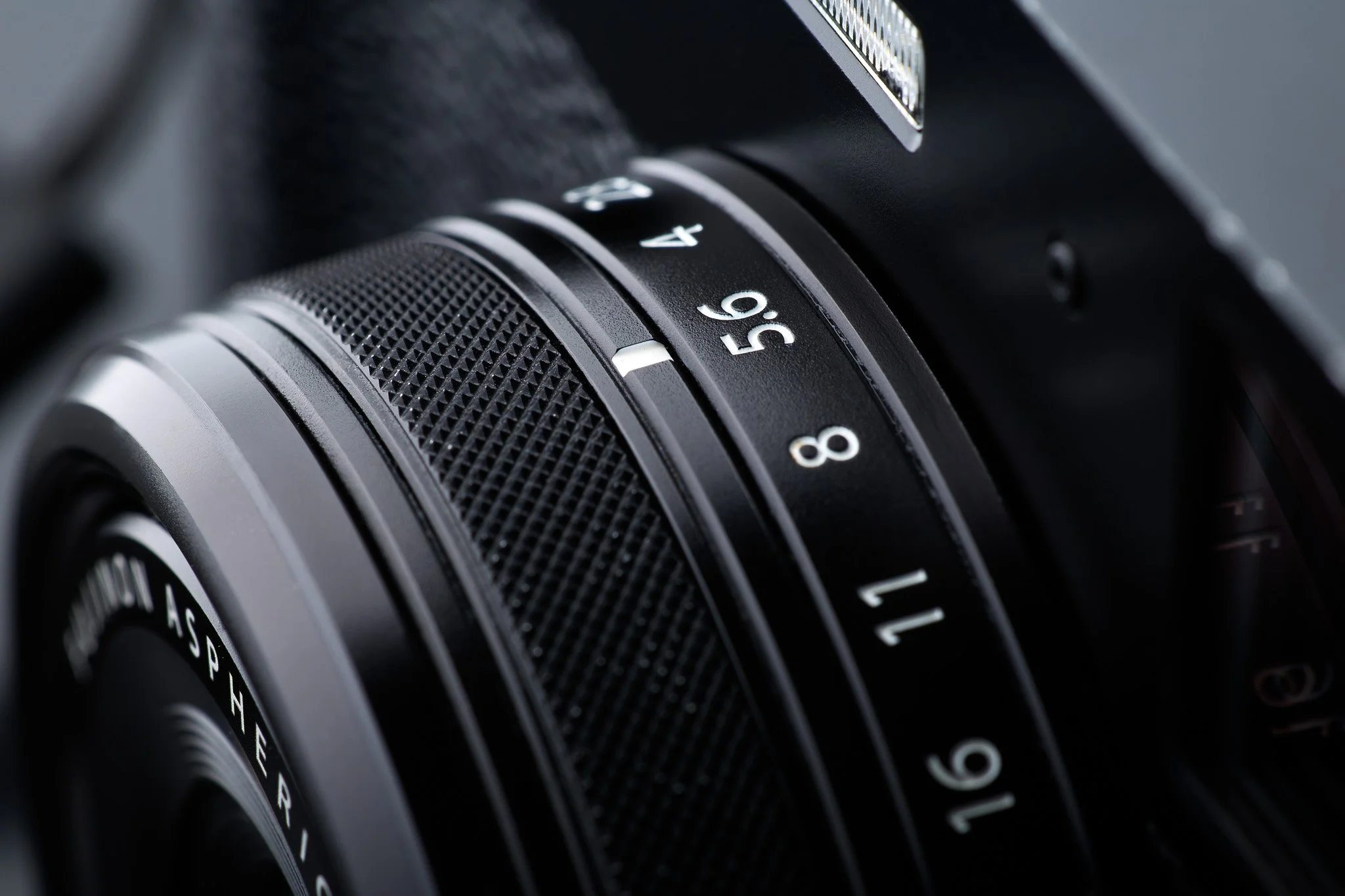
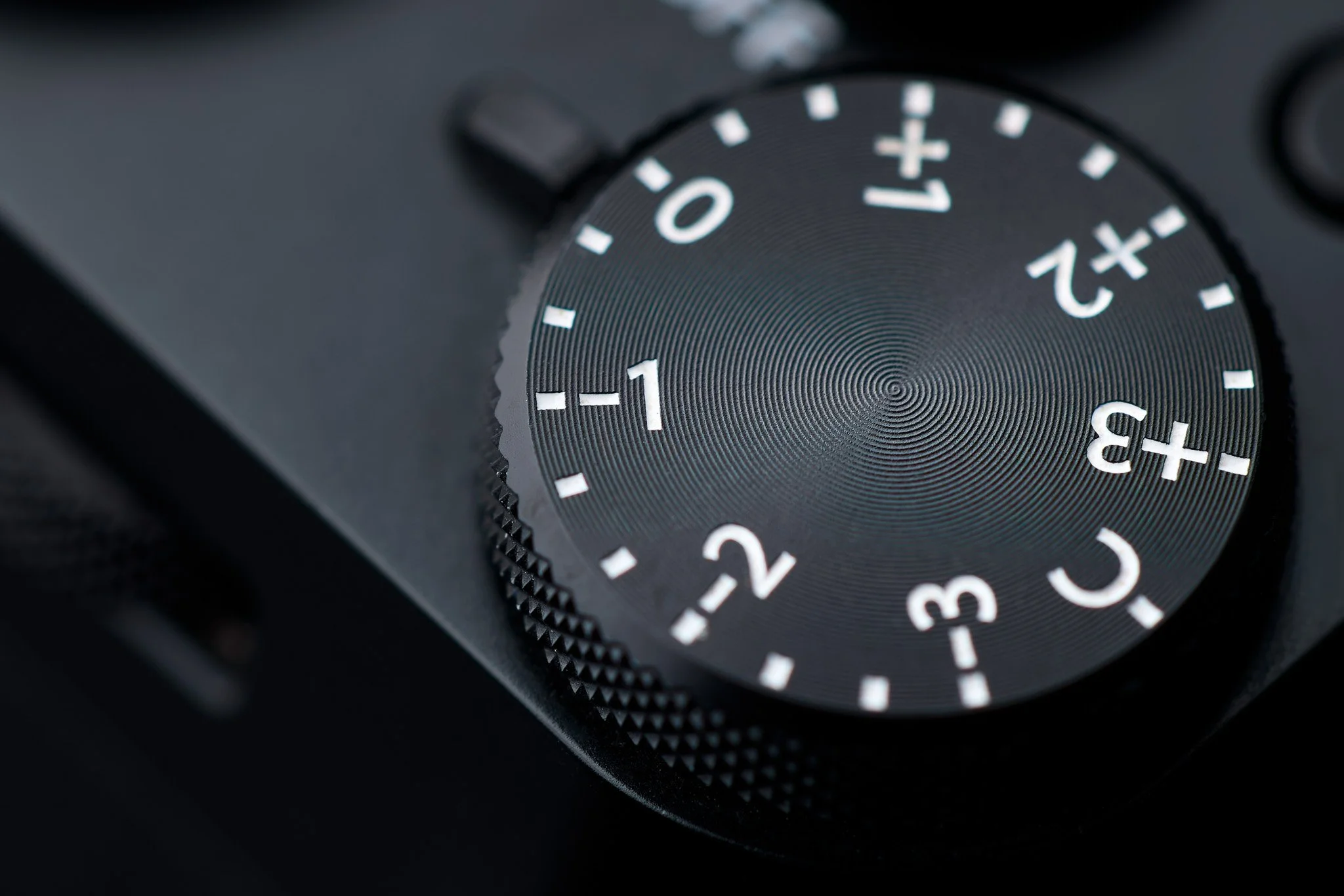
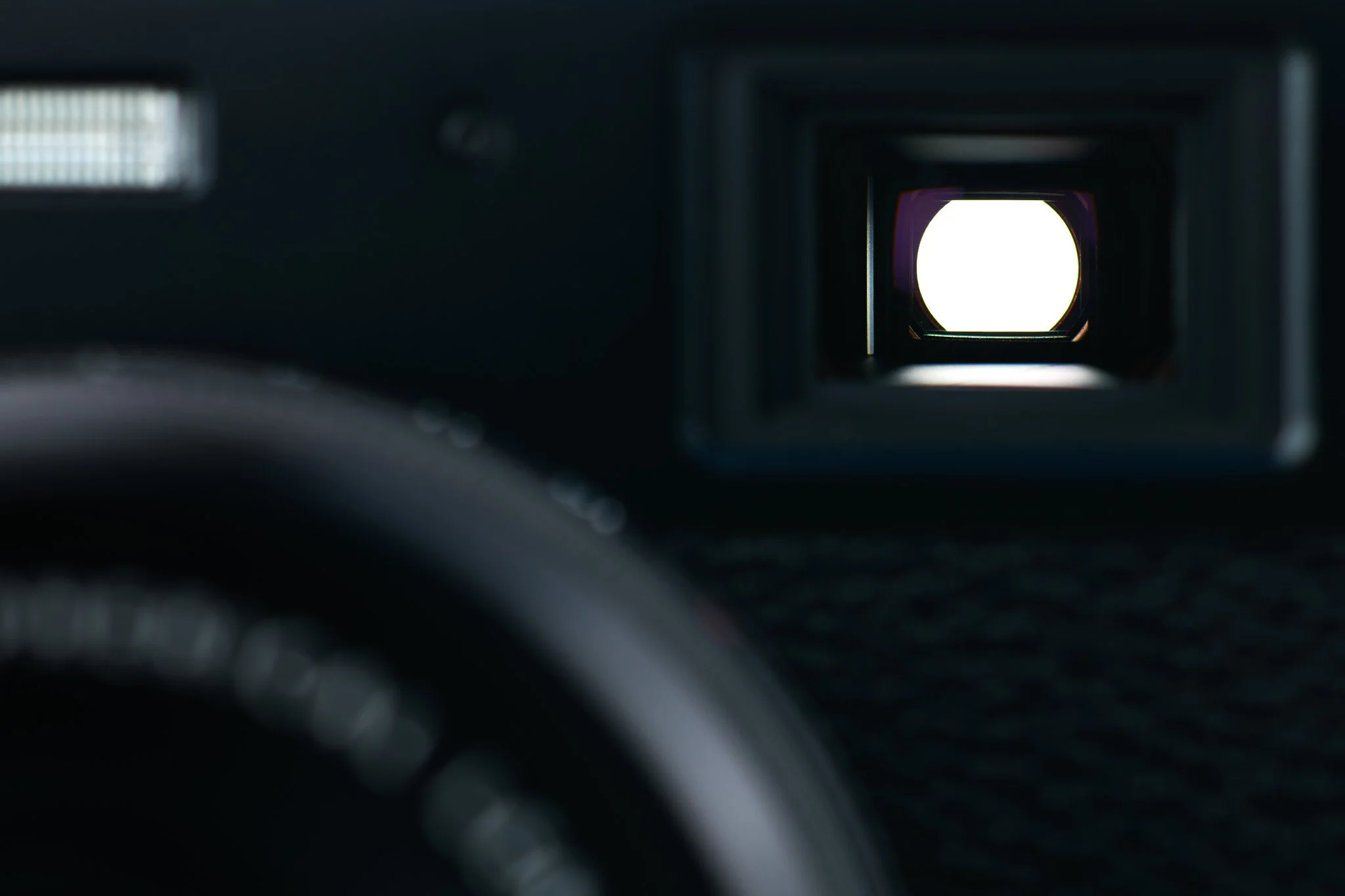
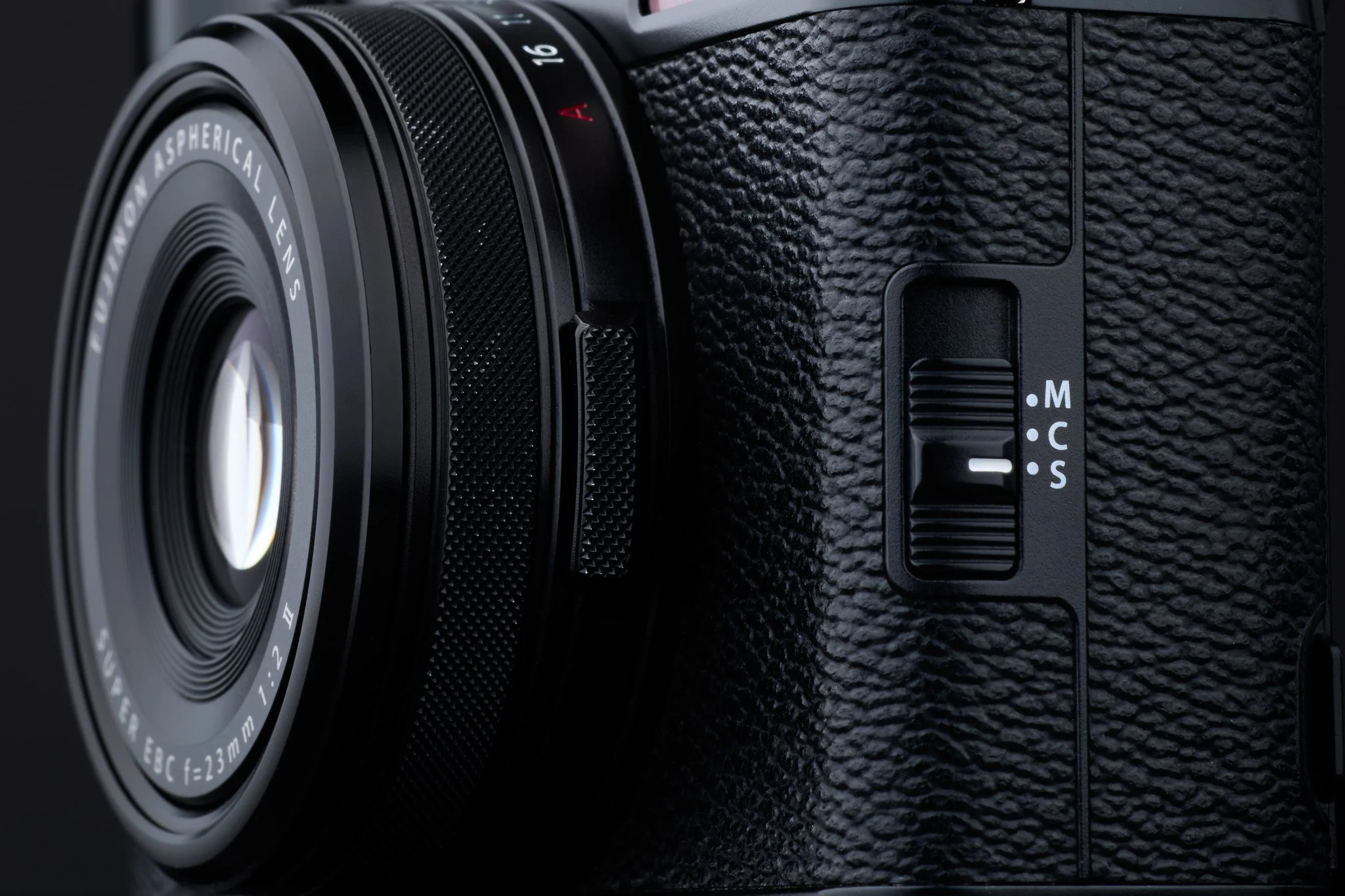
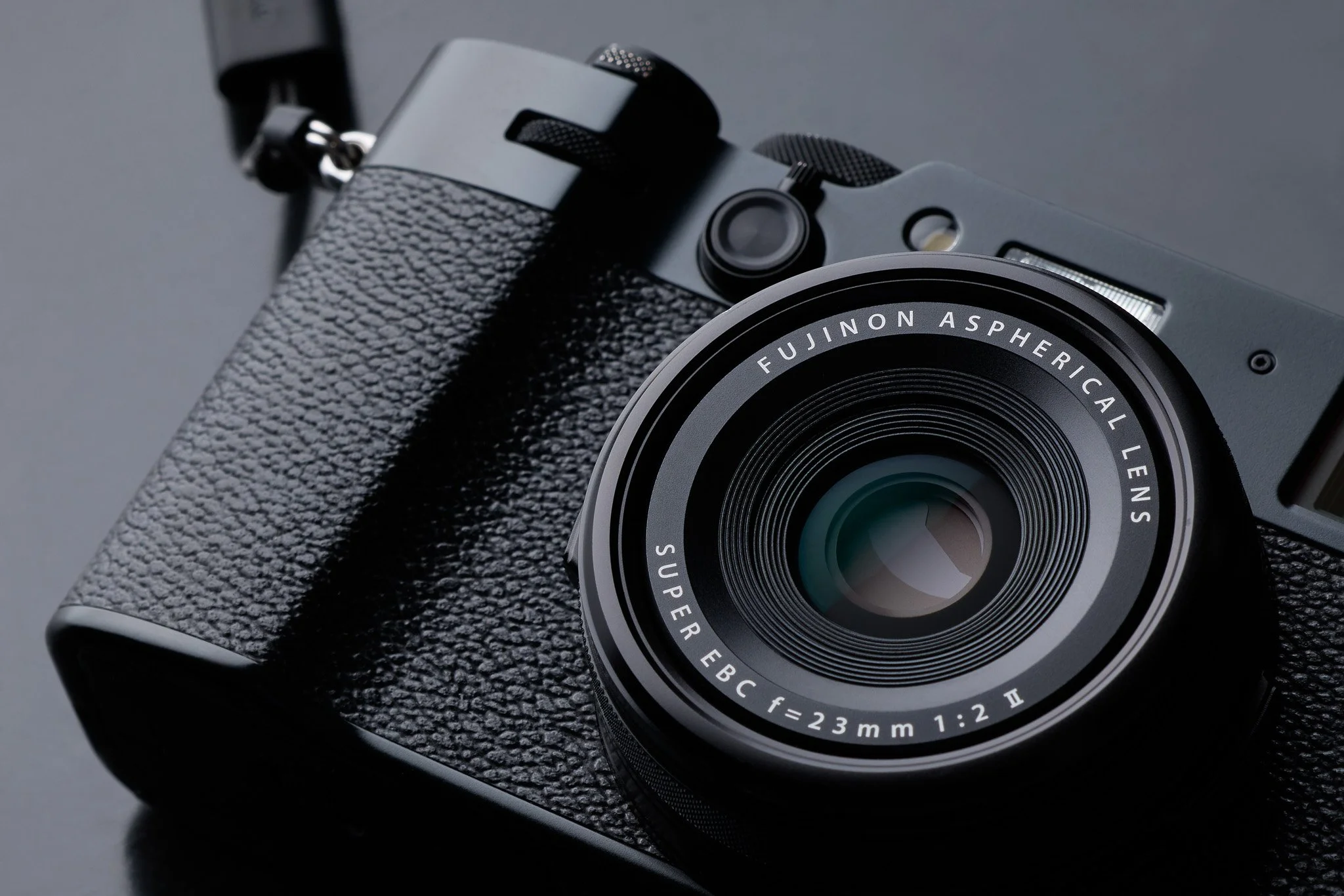
So why did I buy the X100VI, a massively hyped camera with an expensive price tag to match? Stated simply: Because there’s something special and fun about these cameras for personal use. Here are some photos of the camera that I shot for fun in my home studio.
What I Like
To start, the camera is tiny: it easily fits in my pocket, which means I carry it with me everywhere, every day, no matter what. It’s not as small and light as the Ricoh GR cameras—I had the GR III for awhile—but with a bit more size, you get a lot more features: familiar manual controls, a sharp f2 lens with a leaf shutter, a 40mp sensor, a built-in flash, an EVF, great video specs, a tilting screen, a degree of weather sealing, and IMHO better image quality, especially in low light situations. Sure, Fuji has lots of small camera bodies and lenses, but the X100VI is even smaller than those options and includes an f2 lens, which is unique in the world of pocketable cameras. And that small size difference means I carry this camera with me everywhere. I’ve read that the X100V and F are even smaller.
The camera is also very fun to use. It’s fast, snappy, and reliable. The grip is small but comfortable when shooting with the EVF. The button and dial layout is intuitive and tactile and endlessly customizable. The flash is actually useful, as it syncs with the leaf shutter at any shutter speed. The autofocus is pretty good: I use AF-C with back button autofocus and find it to be fast and accurate, even with eye tracking. Most importantly, the images coming out of this camera are amazing: great colors, sharp, contrasty, and filled with detail and character and lovely bokeh. You could easily shoot professional work on this tiny little camera, and that is amazing. And last, the camera looks great. It’s a bit embarrassing to admit, but I enjoy just holding and looking at this camera, admiring its design and appearance.
In short, this is an awesome camera to use for personal work if you’re a professional photographer. I enter a completely different mindset when I pick the X100VI. I forget about deadlines and client briefs. I shoot only for me, and sometimes I’ll shoot for weeks without even looking through the images. Because the camera is always with me and such a joy to pick up and use, I find myself constantly practicing my craft with it, sometimes without even noticing. I’ll be sitting on the couch trying to balance flash and ambient light, messing with rear curtain sync, or trying to get my white balance perfect in camera. With the X100VI, I’ve reconnected with the reasons why I love photography, while also subconsciously improving my professional work through practice.
What I Don’t Like
The X100VI is great, but like all the Fuji cameras I’ve owned, it’s far from perfect. I guess I’ve just learned to accept that, despite all the charm and great features, Fuji APSC is just a bit quirky and half-baked.
The first thing I dislike about this camera is the build quality. The body feels substantial and well-built, but the buttons and dials feel cheap, like I could easily just snap them off. The shutter button/power switch mechanism is the worst offender. It has a lot of loose play, and the camera turns itself on and off in my pocket because the power switch is so poorly implemented. The plastic door covering the USB-C port feels like it cost about $0.03, and it’s loose and doesn’t fit snuggly on the body. The body also creaks when I squeeze the grip and gets quite hot after moderate use. Maybe I’m just used to how rock solid Canon feels, but I feel like I really have to be careful with this camera, which rubs against the idea of it being an everyday-no-matter-what carry.
But surely I’m just nitpicking about build quality, right? I’m not so sure. I once wrapped the camera loosely in a thick sweatshirt with the lens cap on and put it in my backpack during a short hike. When I got home, the shutter button/power switch was stuck in place, rendering the camera useless. I had to send the camera to Fujifilm for repair, and it cost almost $900 to fix (which took about a month). I was upset. When I thru-hiked the Continental Divide Trail in 2024, I carried the Sony Rx100iii from 2014 with me every day for five months straight, through rain and hail and extreme heat and cold, with zero issues. Yet the X100VI lasted one three-mile hike.
After that incident, I decided that I needed to protect the camera, so I bought a square lens hood with a UV filter and a grip with a solid baseplate. This caused three issues. First, the camera was now much bigger and heavier and no longer even remotely pocketable. Second, the lens hood blocked part of the flash. And third, there is now a light haze under the front element of the lens, presumably from some sort of condensation that got trapped by the UV filter (which is the only way to fully weather seal this camera). Image quality seems unaffected, but all of this is just really annoying for such an expensive (and otherwise excellent) camera. I’m back to using the camera without any accessories, but I worry about it breaking all the time now. Bummer. Others haven’t had experiences like this, so YMMV, but this has been my experience.
There are a few other drawbacks, but they aren’t a big deal. First, the battery life is pretty bad. Fuji has used this same crappy tiny battery for like a decade; it was bad in 2017 when I used the X-T2, and it’s bad today. How they haven’t released an upgrade yet is beyond me, especially when the bigger XH2S-style battery is so good. Second, the lens is quite loud as the front element moves back and forth when focusing. This makes an otherwise modern interface feel pretty dated. And third, I’d strongly prefer a 50mm equivalent lens on this camera. The Ricoh GR’s 28mm lens makes perfect sense for that camera, as there’s no EVF and you’re constantly shooting from the hip up close to your subjects. The X100VI is different. With the EVF you can slow down and get everything perfect in camera, so I find myself standing farther away and taking my time, where 35mm can feel a bit wide. Sure you can crop into the 40mp files, but you lose the reach and compression of a longer lens. Not a big deal at all, as 35mm is still extremely versatile, and this little lens is a total gem.
Summing Up
Overall, I really like the X100VI for personal use, despite its imperfections. I’ve even considered picking up an X100F or V as a backup, given the build quality issues. But that consideration has reminded me that you have to be careful with Fuji APSC today. Finding a good value can be difficult, as internet hype has made these flawed cameras way too expensive. The best Fuji APSC value out there is the X-T2 with the XF 35mm f2, a great combo that I used for years that costs about $1100 used today. But with the older cameras, you have to consider that Fuji phases out repairs for older models every year (for example, Fuji no longer services the X100F). You could easily spend $2500 to $3000 on a newer Fuji setup—but you could also get a Canon R8 (or original R6 or R5) and the tiny RF 28-70mm f2.8 for the same price and have full-frame image quality and close to L quality glass. Or you could get a Sony A6000 with the amazingly small Sigma 18-50mm f2.8 for way less and have way better autofocus. All to say: Buy a Fuji APSC camera because you connect with it and want to use it, not because you think it will magically make your images better (it won’t). You can get better quality for less money, so just be careful not to lionize Fujifilm as some kind of magical shortcut to great photography. Pros probably won’t fall into this trap, but just know what you’re getting yourself into.
If you’re a working pro looking for a fun personal camera with excellent image quality in a tiny package, the X100VI is a great choice. I’m sure the X100F and V are just as good, if you can find a good deal for those older models.
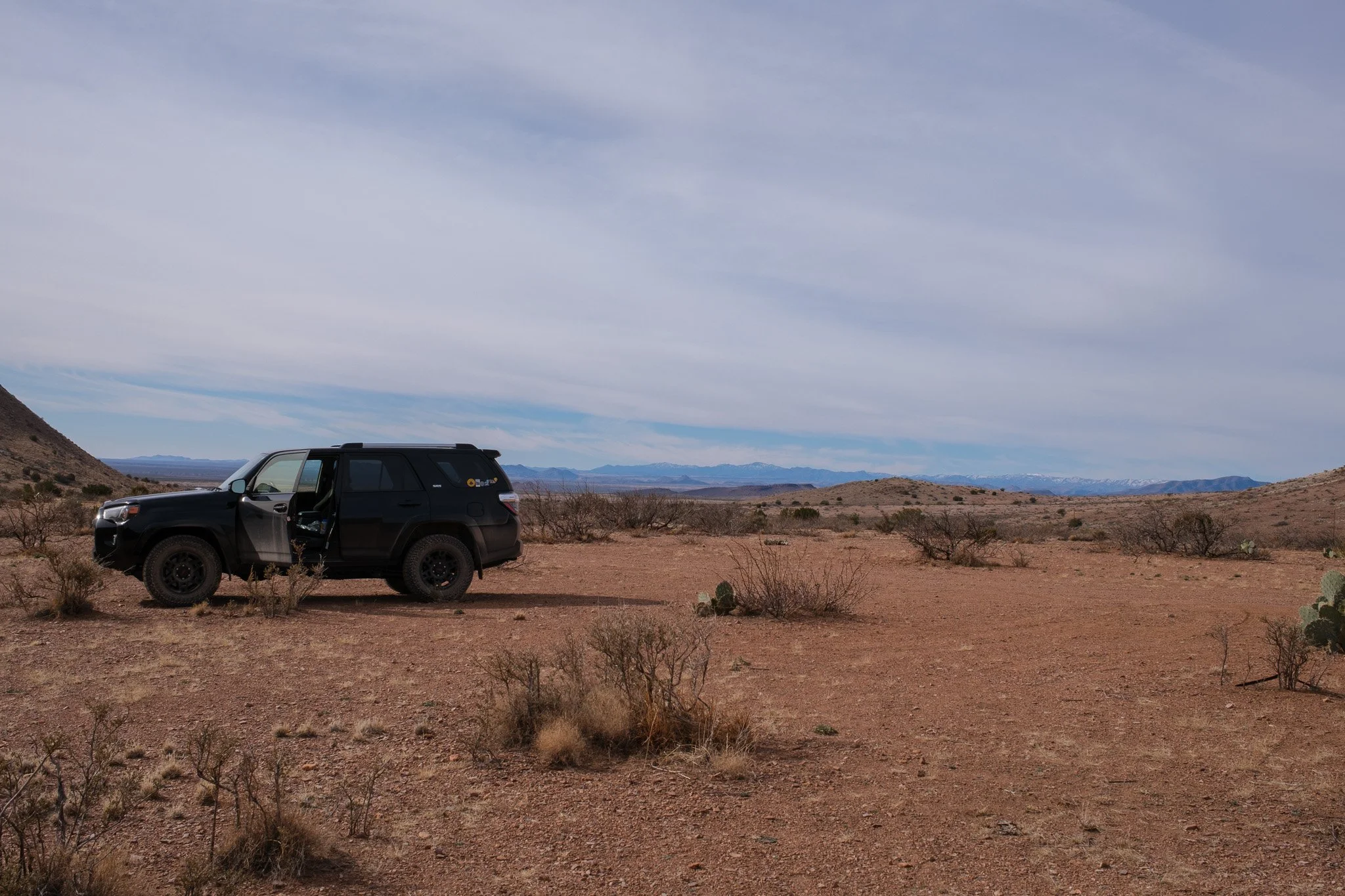
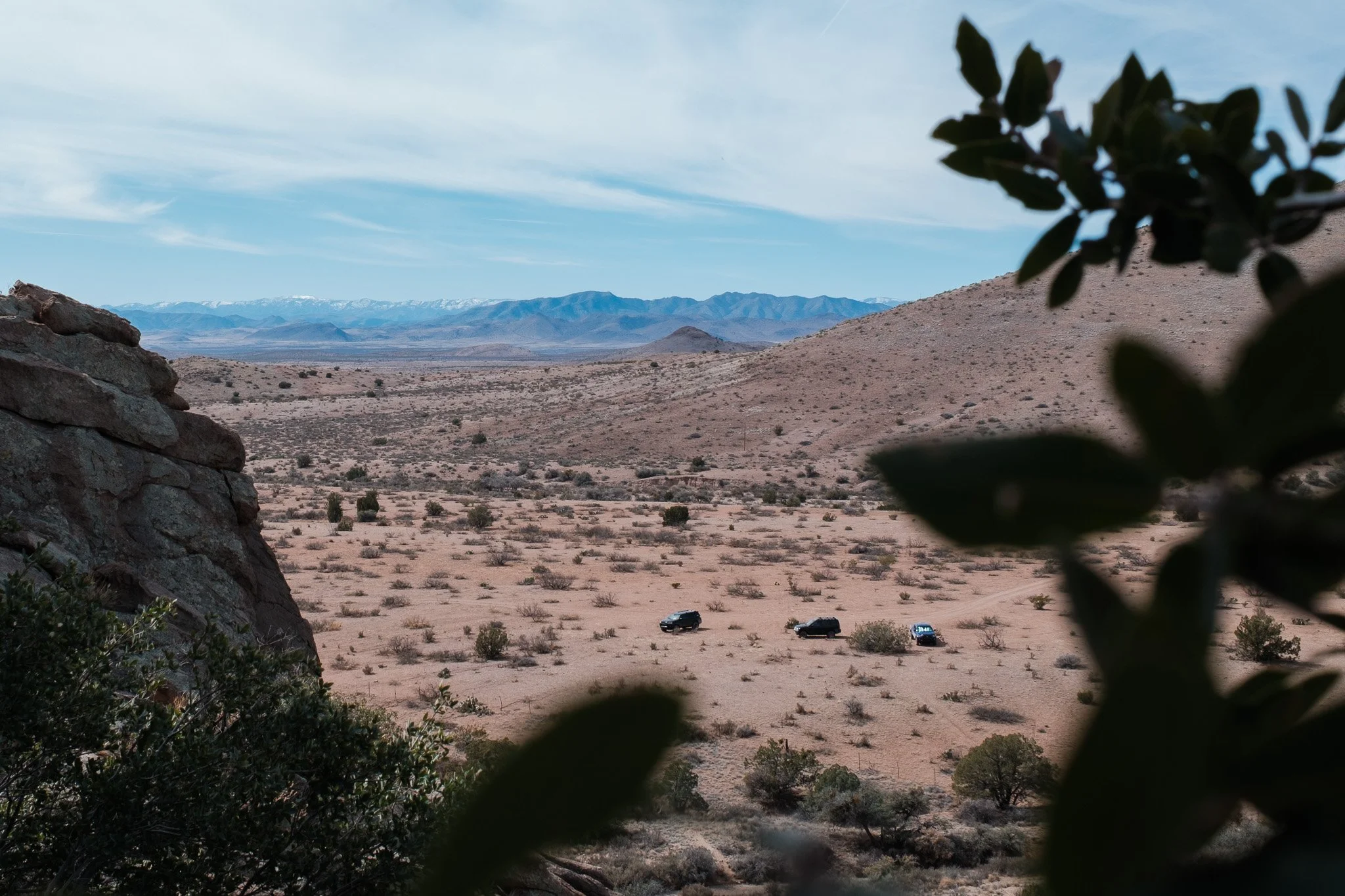
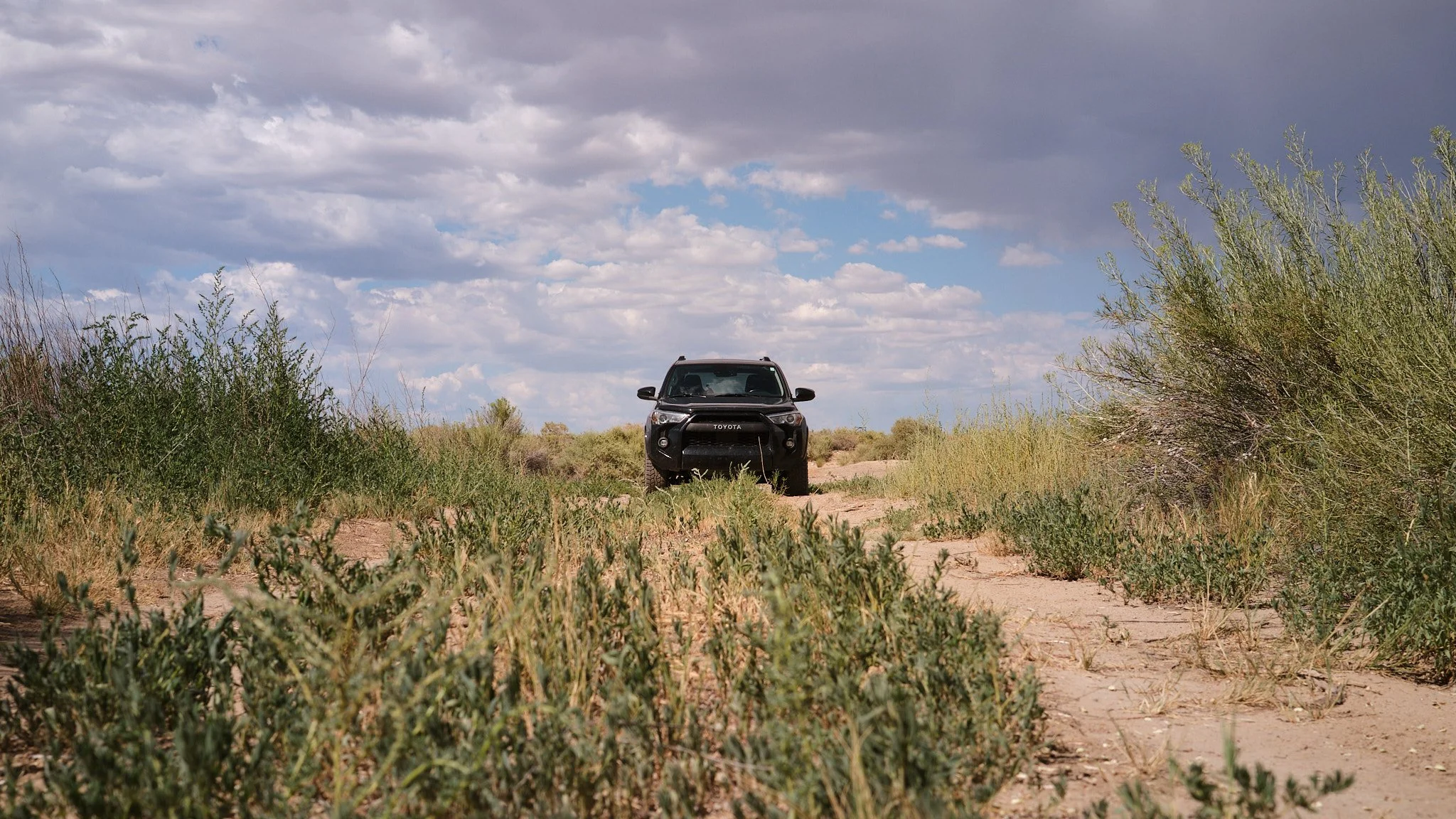
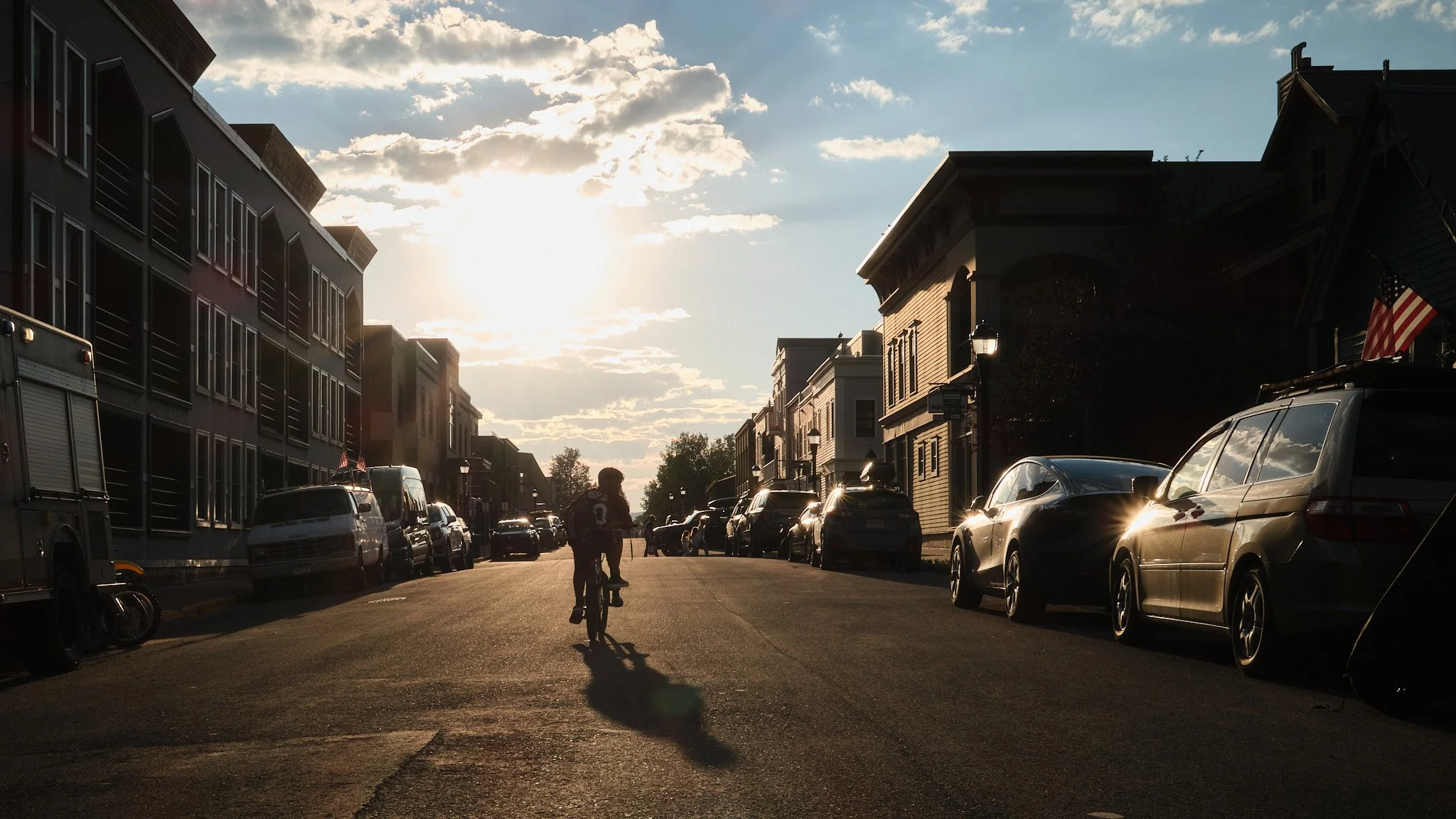
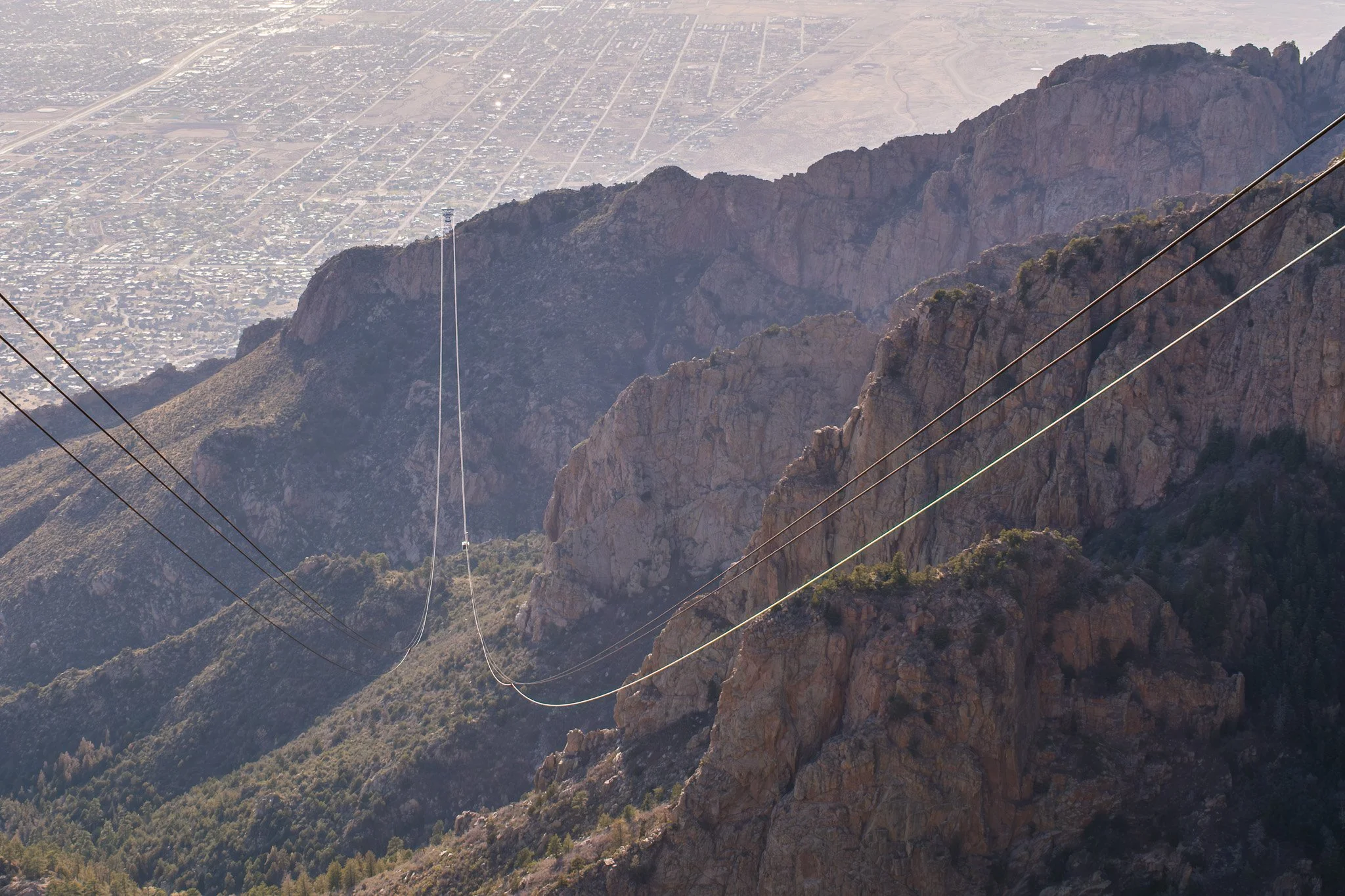
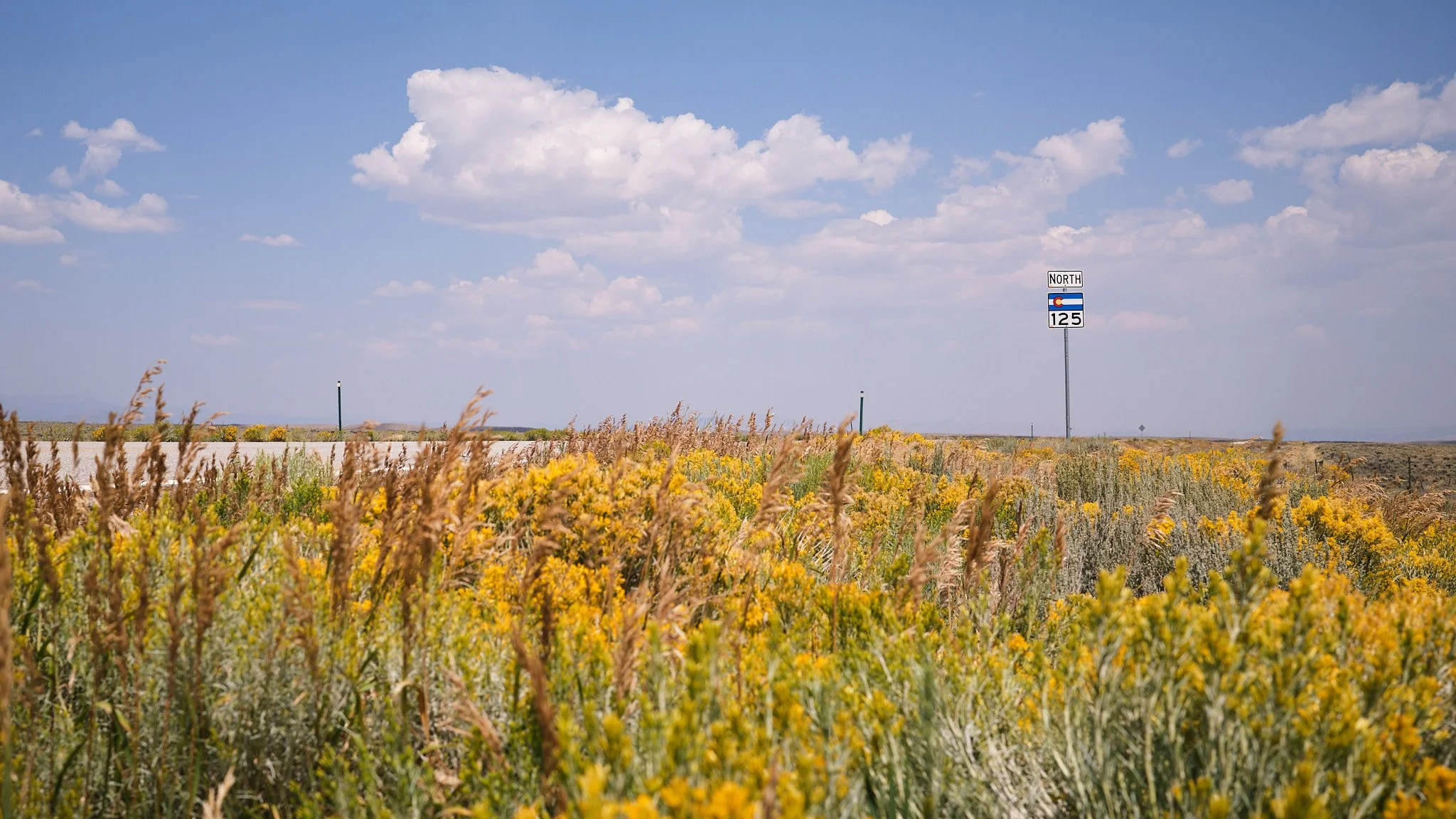
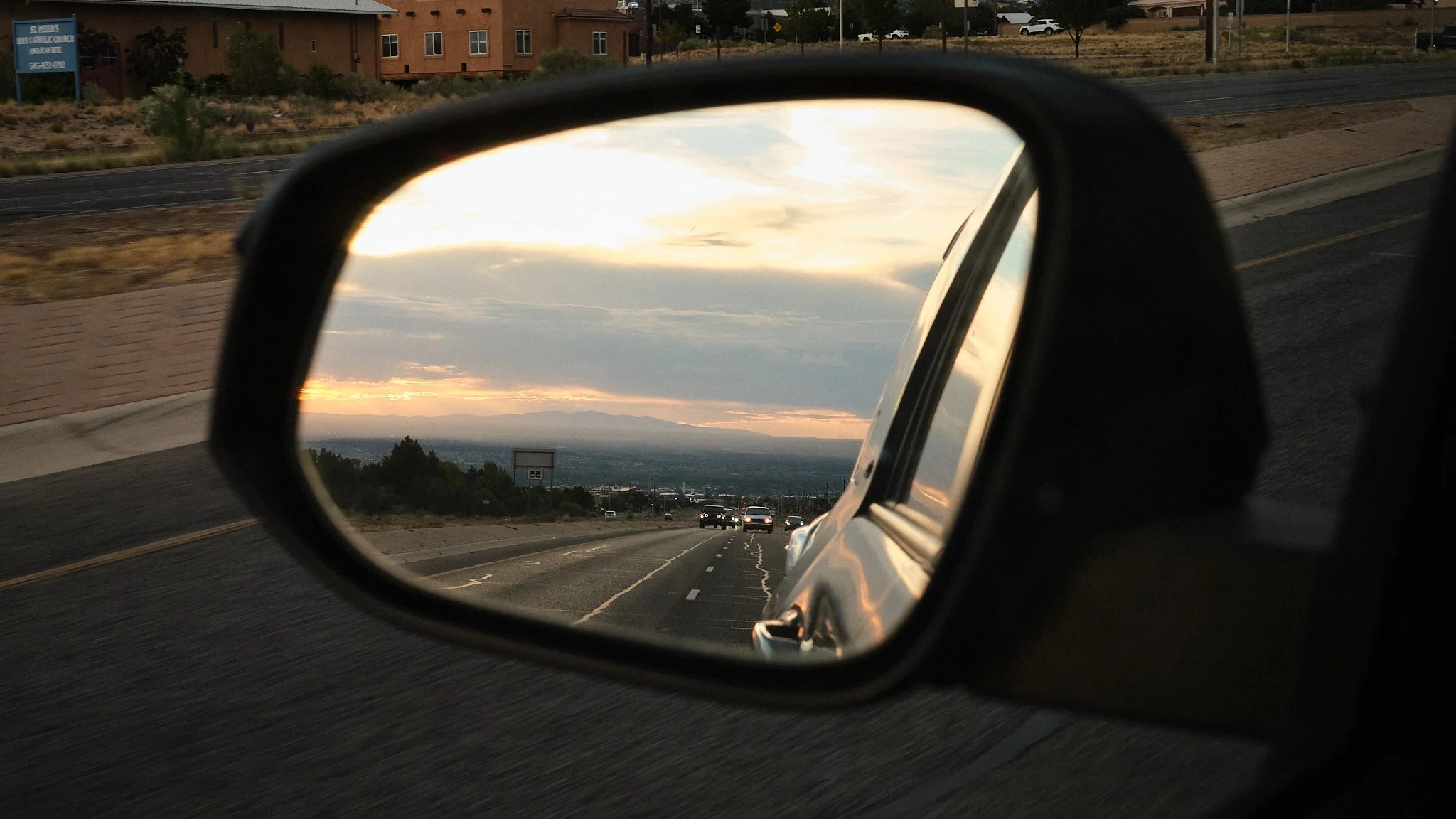
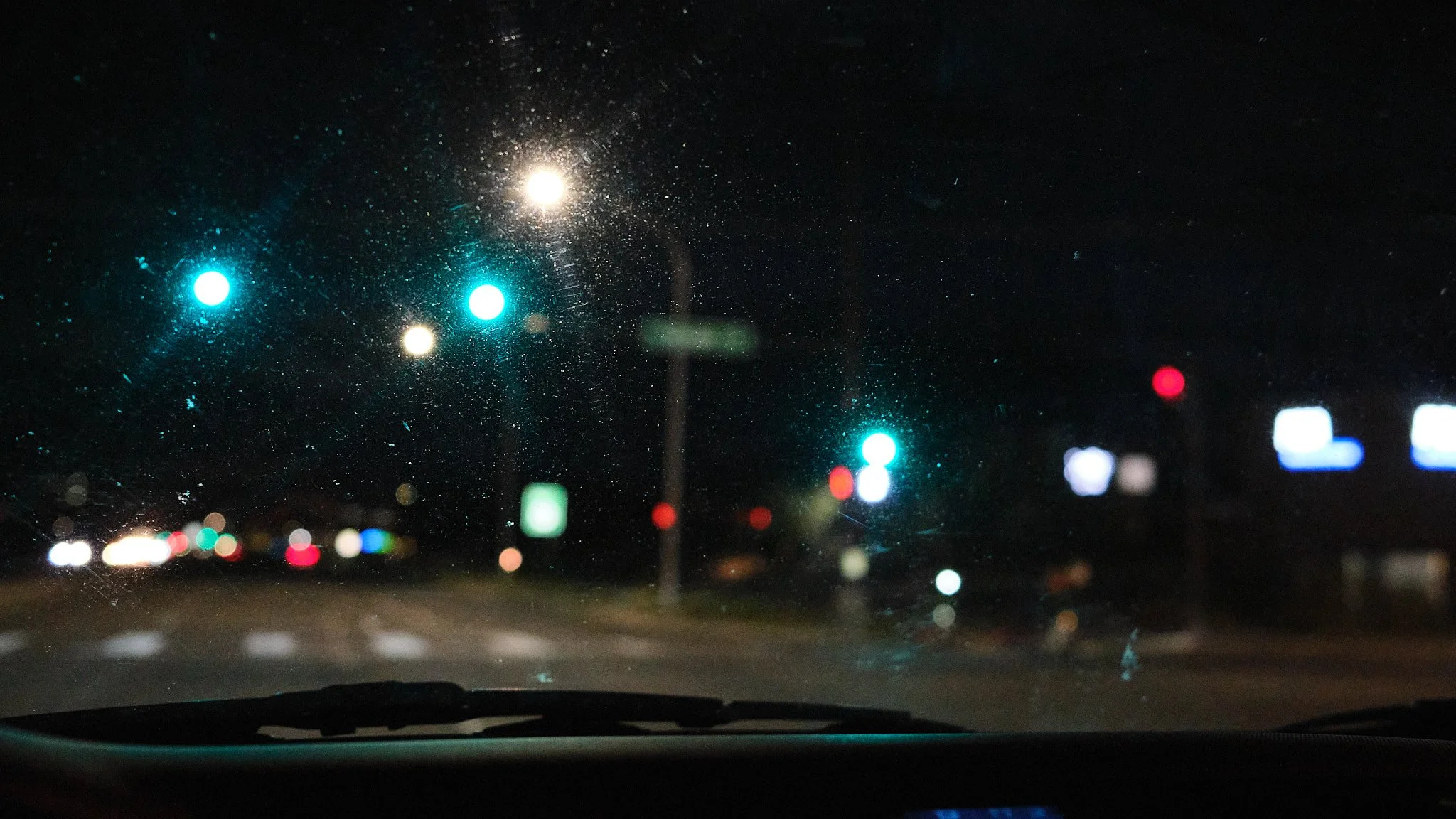
Here are a few photos I’ve taken with the camera. Are they any good? Honestly I don’t even care, and that’s the whole point. As a full-time working photographer, constantly worrying about marketing, client satisfaction, and my portfolio, this camera is my vacation, a fun escape into a world of photography that’s just for me.